Product
RunAm was a food delivery service connecting people to restaurants in their area: one platform for restaurants, riders and customers.
Who it's for
- Customers who wanted food delivered from a range of restaurants.
- Restaurants looking to reach new customers and grow sales.
- Riders looking for flexible work and income on their own terms.
The challenge
- A crowded market. Breaking into a market already dominated by established players.
- Three sides at once. Growing customers, restaurants and riders together, while keeping the app smooth, deliveries reliable and support strong.
My role
I was Product Manager for the launch and the pivot.
- Defined the product vision, roadmap, user experience and requirements for launch.
- Worked across engineering, design, marketing and operations, keeping communication clear between all of them.
- Spotted in the order data that most orders came from restaurants, and led the pivot to restaurant orders, payments and rider efficiency.
Results
We tracked daily active users, sign-ups, order conversion, delivery times and customer satisfaction, and used them to keep refining the experience.
The pivot
86% of orders came from restaurants, not customers.
In late Q4 2021, user feedback and order data showed that most orders were being placed by restaurants on behalf of their own customers. RunAm's real users were food businesses that needed delivery and a better way to take orders.
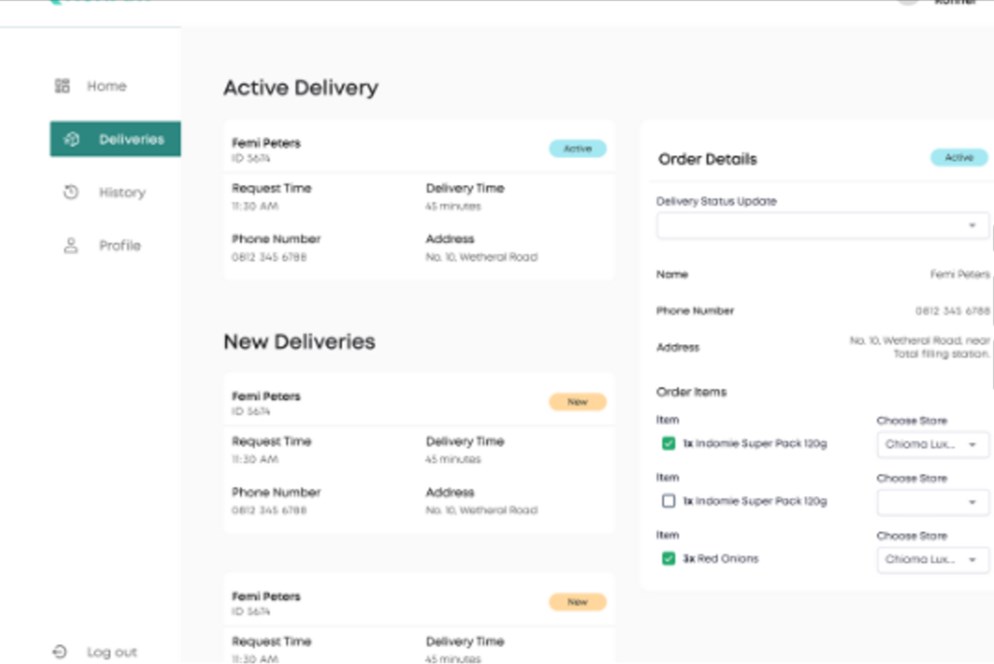
We re-focused the product on rider efficiency and on helping restaurants receive and process orders and payments. Customer satisfaction rose by more than 14%.
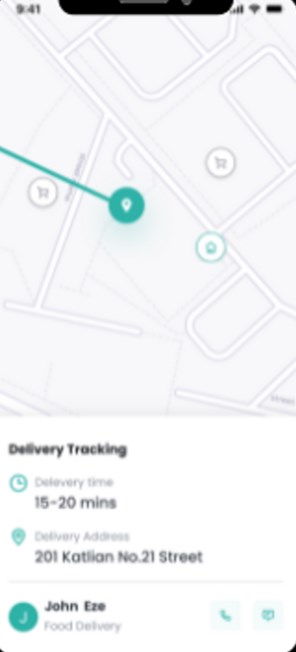
What we built after the pivot
On the ground
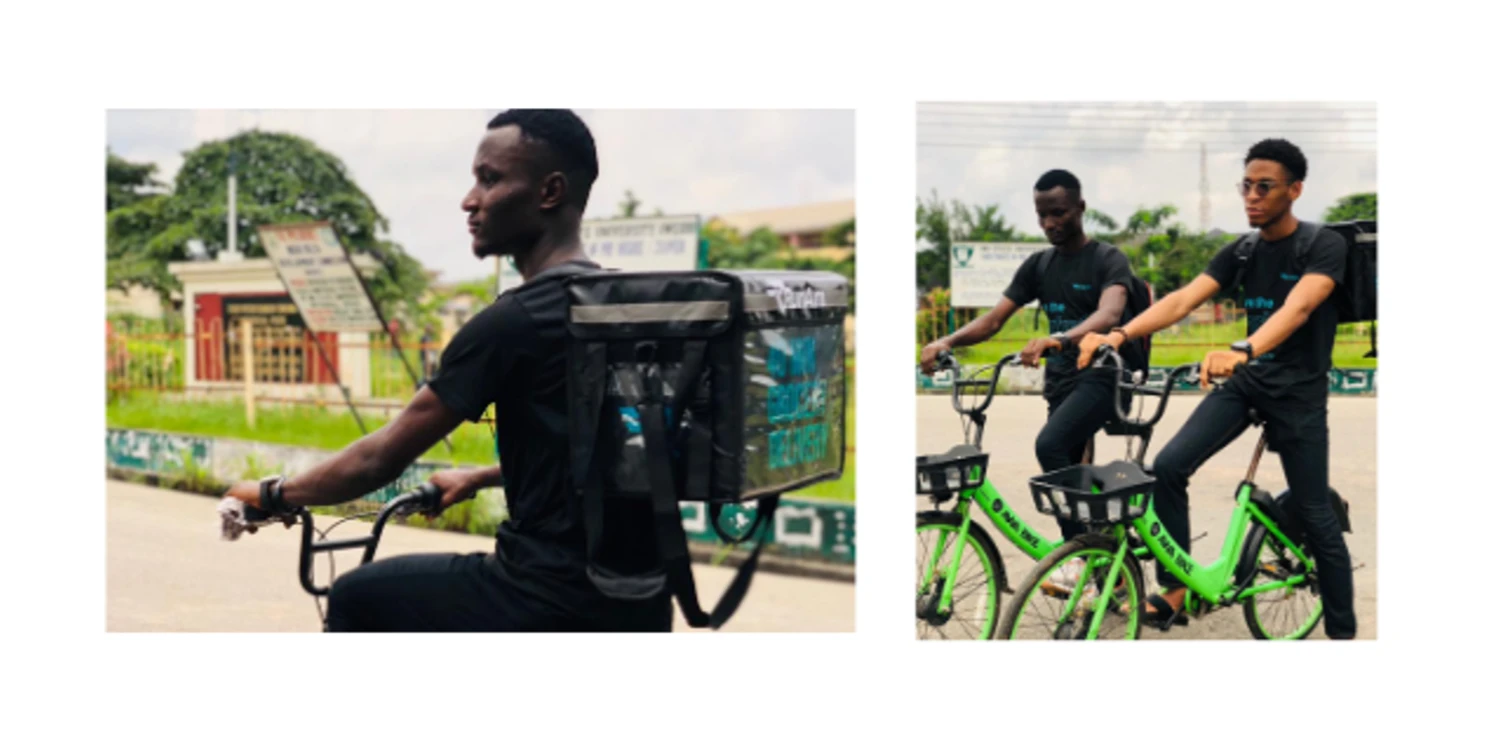
We didn't learn the business from a dashboard. The team rode the deliveries and worked alongside the food businesses we served.
Key takeaways
- Define the scope early, and know the difference between the "perfect world" product and the features an MVP actually needs.
- Let the data tell you who your user really is, even when it isn't who you planned for.
- Spend time with every type of user. On RunAm that meant signing up as a rider and working inside food businesses.
- Working end to end with a strong product designer sharpened how I think about UX.